Here is a message from your weed lake committee – Dorene Walsh
Our annual aquatic weed control program was on Tuesday June 2 between 8am and 5pm of the Round Lake Aquatic Weed Control Project. This program helps maintain a healthy, usable lake by controlling invasive weeds and algae.
Weather permitting, PLM will be to treating individual property owner shorelines on June 23rd.
Residents that signed up for individual shoreline treatment through PLM are the lakefronts that will be focused on. PLM will be using a permitted aquatic treatment using Schooner® (Flumioxazin) in these designated areas.
Schooner is a fast-acting contact herbicide used to target highly active submerged and floating plants, such as lily pads.
To ensure everyone’s safety and to comply with Michigan Department of Environment, Great Lakes, and Energy (EGLE) permit requirements, please follow the temporary restrictions below after treatment:
Swimming & Bathing
- Do not swim or bathe in lake for 24 hours (1 full day) following application.
Lawn & Turf Irrigation
- If you use lake water to irrigate established lawns or turf grass within 200 feet of a treated area, please discontinue use for the required period:
- 12 hours to 1 day, depending on shoreline water depth and treatment conditions.
- Please follow the restrictions listed on the posted treatment signs for your specific area.
Gardens, Shrubs & Landscaping
- Do not use treated lake water for watering flower beds, ornamental plants, shrubs, or vegetable gardens for 5 days after application.
- Flumioxazin can affect broadleaf plants and certain landscaping vegetation.
Drinking Water & Livestock Use
- Do not use treated lake water for household drinking, food crops, or watering farm animals for 5 days following treatment.
Fishing
- There are no restrictions on fishing or consuming fish caught from treated areas.
Important Information for Property Owners
- Following treatment, commercial applicators are required to place highly visible yellow warning signs along the shoreline of treated properties.
- These signs will identify the product used and provide specific restrictions that apply to that treatment area.
- Restrictions may vary slightly depending on the treatment concentration, permit requirements, and site-specific conditions. Please always follow the instructions posted on the shoreline signs.
- Shoreline Cleanup & Maintenance After SAD or Individual Weed Control Treatments
- Wait 3-7 days after treatment before removing vegetation from your shoreline. This allows time for the Schooner herbicide to work effectively. Please note that each herbicide used in our lake may have different wait times.
- After the required wait period residents may remove loose dead vegetation by hand (Gloves are recommended), or by raking using a metal forked rake as long as you do not disturb the bottom of the shoreline.
- Leave them somewhere away from the shoreline to decompose. Do not put them in your compost pile to prevent contamination. Let them decompose naturally. They will eventually enter the soil safely. Do not burn any herbicide treated weeds to prevent the toxic chemical vapors being released into the air.
- More detailed information can be found at https://www.michigan.gov/egle
We appreciate everyone’s cooperation in following these temporary guidelines. These precautions help ensure a safe and successful treatment while protecting the lake environment, our families, pets, and neighbors.
Second SAD Lake Treatment Schedule
- For now, depending on weather and lake conditions, PLM has tentatively scheduled the 2nd SAD lake treatment for the week of July 27th. PLM will also continue to monitor the pond weed growth, and if need, harvest the lake sometime around mid-July.
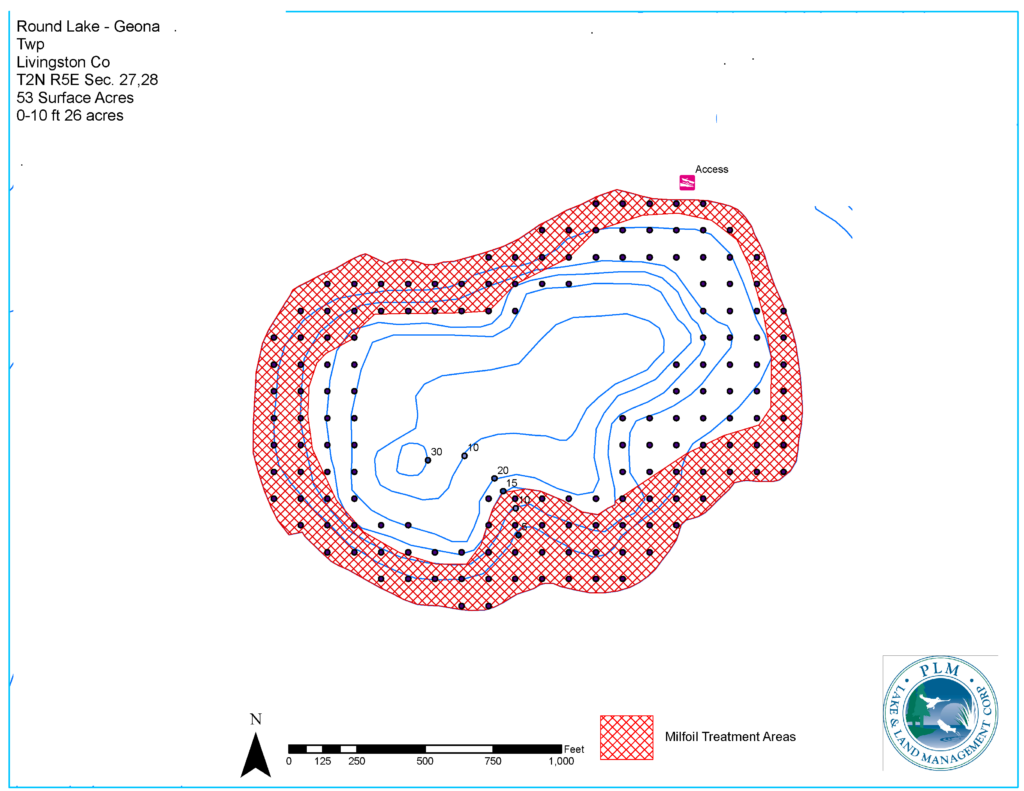
You can expect to start seeing results within 10 days. The lake should be in great shape for the 4th of July!
Posting signs will be placed at the lake ahead of the treatment date as required.
(Here is a link to the sign)
🌱 What is being treated?
The program targets:
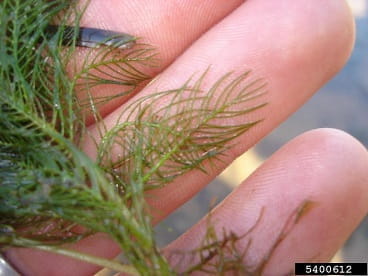
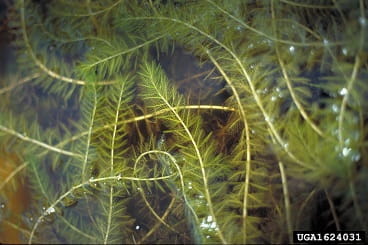
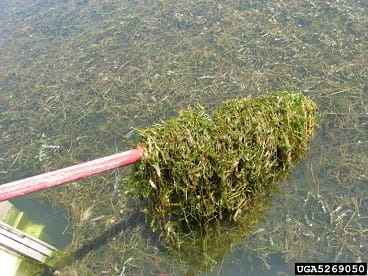
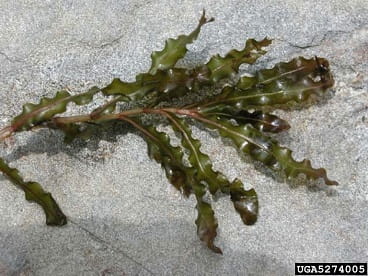
- Invasive aquatic weeds (such as milfoil and curly-leaf pondweed)
- Excessive native plant overgrowth
- Algae blooms
Treatments are applied selectively to improve lake health while preserving the ecosystem.
🧪 What products are being used?
Licensed professionals will apply state-approved aquatic herbicides and algaecides, including:
- Systemic herbicides (longer-lasting, root-killing): ProcellaCOR, Flumigard, Renovate
- Contact herbicides (fast-acting): Diquat, AquaStrike
- Algae control products: Copper sulfate and chelated copper
All products are:
- Approved by the EPA and Michigan EGLE
- Applied by certified applicators
- Used in accordance with strict environmental guidelines
⚠️ Are there any restrictions?
Depending on the treatment, there may be temporary water-use restrictions, such as:
- Limited irrigation use for a short period
- Occasional brief swimming advisories
- Other guidance specific to the product used
👉 Important: Any restrictions will be clearly posted at the lake and included in treatment notifications.
📢 How will residents be notified?
You will be informed through:
- Posted signs at lake access points on treatment days
- Email or community communications (when available)
Each notice will include:
- Treatment date
- Areas treated
- Products used
- Any temporary restrictions
🌎 Is this safe?
Yes—when applied as directed:
- Treatments are widely used across Michigan lakes
- Designed to target plants, not people or fish
- Help improve:
- Water quality
- Recreation (boating, swimming)
- Long-term lake health
📅 When will treatment occur?
Treatments typically occur during the spring (April) and summer months, depending on:
- Weather conditions
- Plant growth cycles
- Lake conditions
Specific dates will be communicated in advance when possible.
FAQ:
Q: Will this treatment be harmful to people or wildlife?
A: Any chemical that is improperly utilized can be harmful. All the chemicals being used by PLM are approved by the EPA and EGLE and will be applied by individuals licensed by the state of Michigan to apply herbicides.
Q: Do we need to stay out of the lake during treatment?
A: The products included in the contract do not have federal swimming restrictions. However, the State of Michigan requires PLM to post a one-day swimming restriction after application to enhance treatment effectiveness by minimizing sediment disturbance. There are no boating or swimming restrictions beyond this, but watering restrictions do apply. Typically, watering turf and ornamentals should be avoided for three to five days after treatment.
Q: What weeds will be treated?
A: PLM will be targeting Eurasian Watermilfoil and Curly Leafpond. These are both considered invasive weeds.
Q: What weeds will not be treated?
A: Lily Pads are not in the scope of the PLM proposal. The lily pad program will be separate from the SAD, as SAD funds are not typically used for individual requests, particularly for lily pads. The program will cost $250 and includes two applications: one in June and a follow-up in late July or early August. Residents will receive an individual form in the spring along with the program notice. I anticipate this program will primarily benefit residents at the west end of the lake, rather than the entire community.
Q: Will this help reduce the goose traffic?
A: PLM makes no claims in this regard. Anecdotally we have heard from other lakes that they have seen a reduction in goose traffic due to a reduction in grasses that geese fed upon.
Q: Are these chemicals harmful to our wells?
A: Chemical treatment of lakes is a widespread practice in Michigan and throughout the United States. To our knowledge there are no reports of well contamination as a result of chemically treating for invasive weeds.
Round Lake Weed Control summary
PLM
◦ PLM has been treating East and West crooked Lakes for the past 15 years.
◦ The lakes water quality appeared to be good. The water was clear and no cloudiness was noted.
◦ Milfoil, curly leaf and native pond weeds were noted. They include eel grass, clasping and white stem, pond weed, along with char. The native weeds were noted in selective areas around the lake.
◦ The company also provides harvesting services. After the first treatment in May, the option to harvest around the lake for any tall native weeds could be provided. To harvest a lake our size it would take about 12 hours at a cost of $4000.
◦ Several herbicides were discussed, such as ProcellaCor, Sonar and Diquat. Fluridone was discussed, however it would not be used until after a four-year water survey was acquired. The use of fluridone has strict restrictions in place and requires a special permit for use. Several other chemicals were also noted in the quote, but were not specifically discussed during the tour. They are Flumioxazin, Aqua Strike and Renovate. Should algae appear chemicals could include Chelated Copper and Seclear G.
◦ The quote states multiple treatments may be needed during the growing season to control multiple species that grow at different times during the season.
◦ In the spring and summer and on clear days, the lake is receiving about 80% sunlight. The company stated given we have a very small shallow lake the weeds populate quickly.
◦ The company contract is for five years.
https://www.michigan.gov/invasives/id-report/plants/aquatic/eurasian-watermilfoil
https://www.michigan.gov/invasives/id-report/plants/aquatic/curly-leaf-pondweed